Anyone can create their own original fictional character. However, for the industry standard, how can a successful character be made?
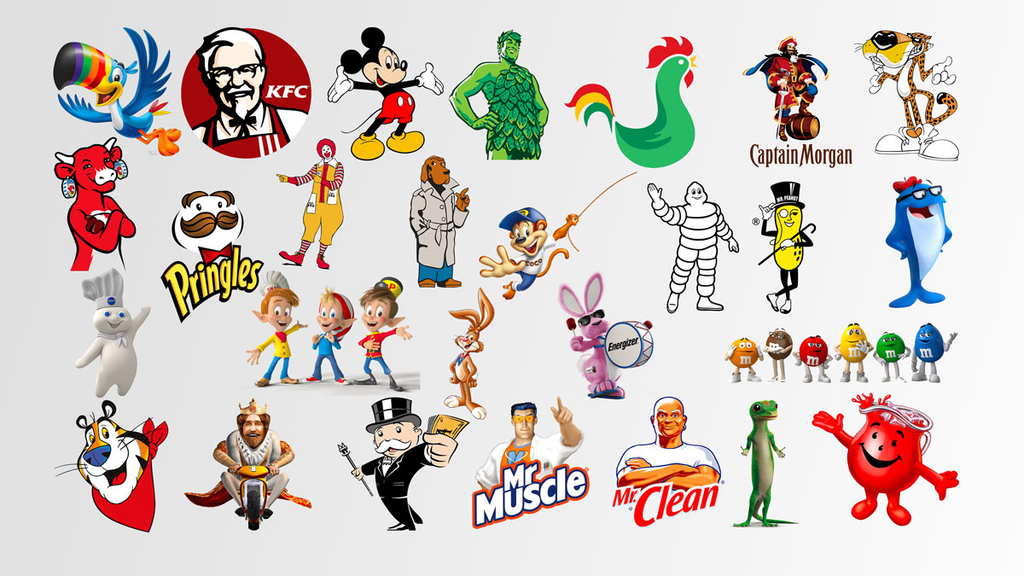
Do you remember your favorite cartoon as a kid? A lot of cartoon characters, like SpongeBob SquarePants and Mickey Mouse, are easily recognizable by kids and even adults, and stand as timeless pop culture characters. When it comes to character design, it doesn’t end with cartoons: there are characters for fast food chains, video games, and even products. Everyone knows about Ronald McDonald, Super Mario, and the Kool-Aid Man!
In today’s industry, business-wise, a good character has to stand out and become an icon to be truly beneficial. But how is it done? There has to be more than simply creating a character, right? Here’s a detailed process of how a memorable character is designed.
Purpose Before the Character Design
A big mistake beginners make is designing a character before knowing why the character exists. In a professional setting, characters are created to solve a business problem, all in order to make a company more memorable.
Ask yourself questions like:
- Who am I making this character for?
- What emotions would people feel?
- Where will this character appear?
- What makes this character different from competitors?
Shape a Solid Silhouette for Character Designs
Giving a character a strong silhouette is one of the most important principles to character designs. Many iconic characters have it: think about Mickey Mouse’s circular ears or SpongeBob’s square body. Even as fully black fills, they’re instantly recognizable.
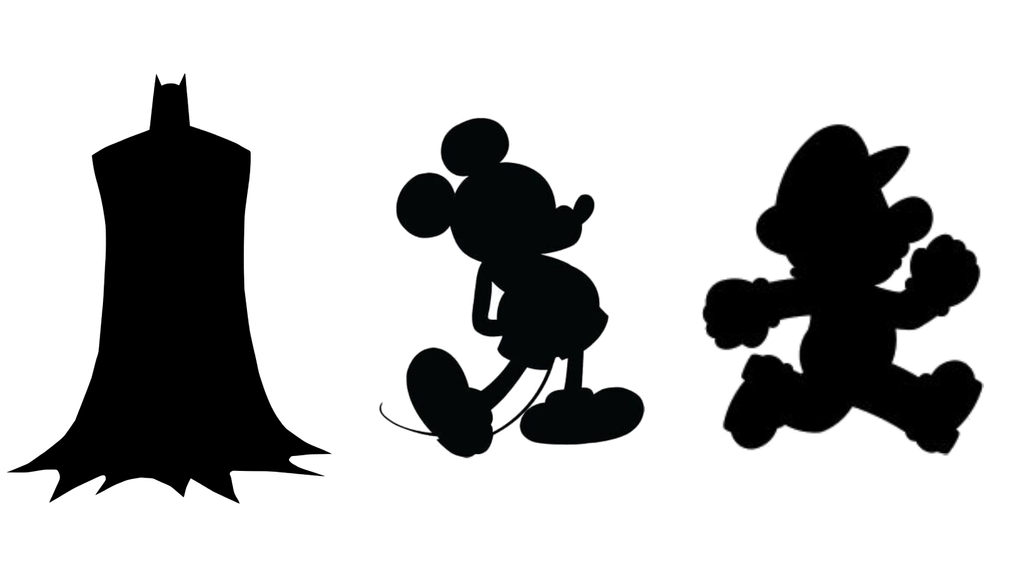
To create a strong silhouette:
- Use simple and readable shapes.
- Avoid unnecessary complexity, keep things grounded.
- Make sure the character can be identified from a distance.
Also, keep this in mind when it comes to using shapes for your character outline:
- Circles feel friendly and approachable.
- Squares feel dependable, strong and stable.
- Triangles feel energetic, dangerous or mischievous.
This becomes especially important when characters appear as tiny app icons, game thumbnails, or product packaging, and it gives your character personality depending on the shape of their silhouette.
Personality and Recognizability to a Character Design
A successful commercial character isn’t overloaded with details, but instead focuses on a singular or multiple unique traits in its design. Such as a unique hairstyle, an oversized accessory, distinctive clothing, unusual proportions, or a signature color as examples. Too many competing details make characters harder to recognize and more expensive to animate, print, or manufacture.
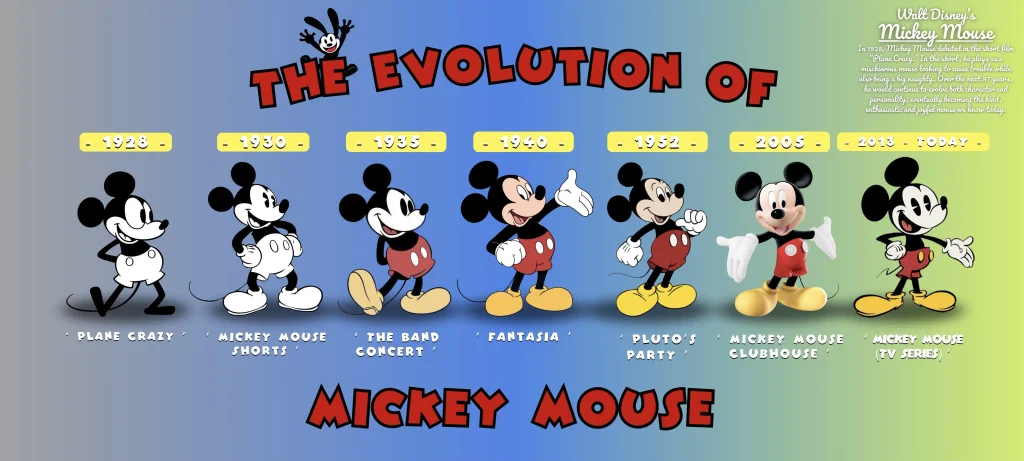
Visual design grabs attention, but most importantly, personality creates emotional attachment. Think about how these characters behave:
- SpongeBob is optimistic.
- Mario is courageous.
- Pikachu is playful.
- The Kool-Aid Man is energetic.
Their personalities reinforce their visual design and make them easier to remember. Even a simple brand mascot benefits from having clear personality traits, because consistent behavior builds recognition across advertisements and social media.
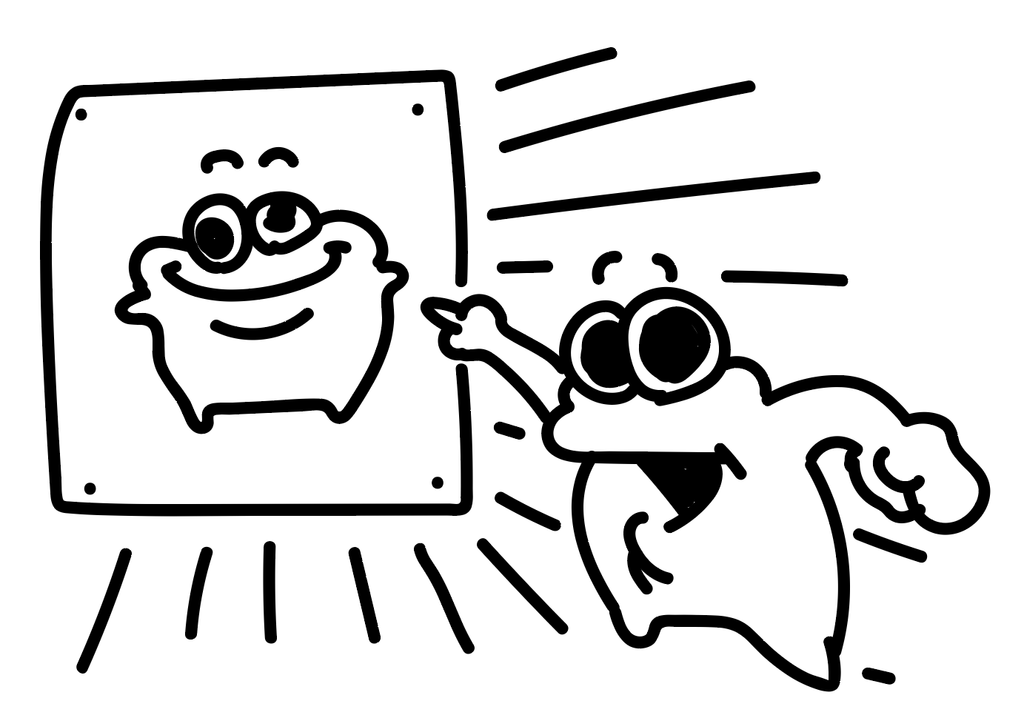
A great character can be used as attractive artwork, but it holds more significance as a long-term brand asset, and every design decision should support both creativity and business goals. The characters people remember for years aren’t successful by accident, they’re carefully designed to be recognizable, versatile, and meaningful wherever they appear!
What kind of character do you have in mind?
See my work!
Want to see more from me? Check out all of my current work!